Save up to $200 when you book by December. Detail
Upper Mustang Guide: Where It Starts, Permits, Fees & Places to Visit

Upper Mustang is the high, rain-shadow kingdom north of the Annapurna range — often called the Forbidden Kingdom. This guide covers where the journey starts, permits and fees, and the places that define a trip into Lo Manthang and beyond.

Where Upper Mustang starts

Most journeys begin in Jomsom (or nearby Kagbeni), reached by flight from Pokhara or by road along the Kali Gandaki. From Kagbeni the restricted zone begins. Trekking or jeep routes then climb into the arid valleys toward Chele, Ghami, Tsarang and finally Lo Manthang, the walled capital of the old Kingdom of Lo.

Overland travellers follow the same corridor by 4WD; the scenery shifts quickly from green mid-hills to wind-carved cliffs, prayer flags and Tibetan-style villages.

Restricted area permit & ACAP

Upper Mustang is a restricted area. Independent travel is not allowed — you must travel with a registered agency. Typical paperwork includes:

  • Upper Mustang Restricted Area Permit (RAP) — issued via the Department of Immigration through a licensed operator. Fees are set by the government and change periodically; your operator handles the application.
  • Annapurna Conservation Area Permit (ACAP) — required for the approach through the Annapurna region.
  • TIMS — may apply depending on route and current rules.

Budget for permit costs separately from your package price; we arrange all permits as part of every Upper Mustang trek or overland tour.

Places not to miss

  • Lo Manthang — the medieval walled city, royal palace, and monasteries of the old kingdom.
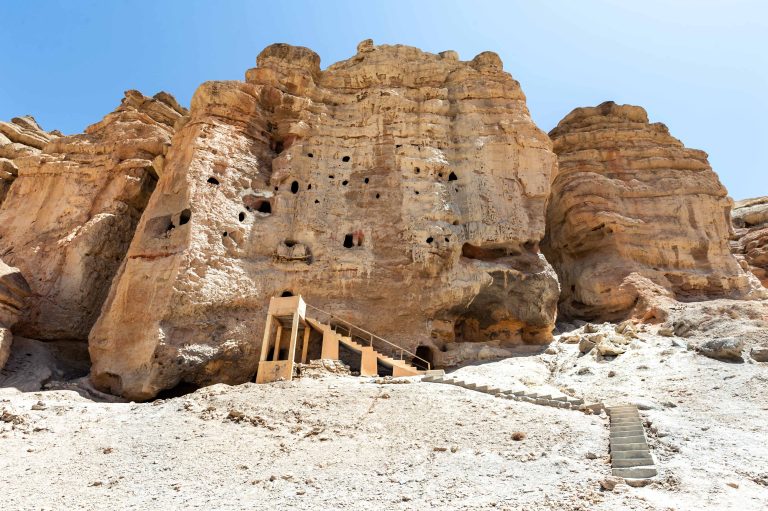
  • Chhoser caves — ancient sky caves cut into soft cliffs north of Lo Manthang.
  • Tsarang & Ghami — classic villages, chortens and red-cliff landscapes.
  • Muktinath — sacred site for Hindus and Buddhists, often combined on the way in or out.
  • Kali Gandaki gorge — among the deepest river valleys on earth, the gateway from the south.

Best time to go

Spring (March–May) and autumn (September–November) offer the clearest skies. The Tiji Festival in Lo Manthang (usually May) is a highlight if your dates align. Winter is cold and some lodges close; monsoon is drier here than in the mid-hills but roads can still be rough.

How we travel Upper Mustang

Mustang Trekking runs guided treks, overland jeep journeys, motorbike tours and festival itineraries. We handle RAP, ACAP and logistics so you focus on the trail and the culture. Browse Upper Mustang packages or write to us with your dates and group size.
Frequently asked questions

Upper Mustang's restricted area begins north of Kagbeni in Nepal's Mustang district. Jomsom, Marpha, Kagbeni and Muktinath are in Lower Mustang, while the restricted region extends toward Lo Manthang and surrounding historic settlements.
Foreign visitors generally need an Upper Mustang Restricted Area Permit (RAP) and an Annapurna Conservation Area Permit (ACAP). A licensed guide and application through a registered Nepali trekking agency are required. Confirm the latest regulations before departure.
Nepal Tourism Board currently lists the Upper Mustang Restricted Area Permit at USD 50 per person per day. The Annapurna Conservation Area Permit is separate. Confirm the applicable fee and day-counting rules with your trekking agency before booking.
A registered trekking agency in Nepal arranges the Restricted Area Permit through the Department of Immigration. Agencies can also help arrange the conservation area permit, guide and other travel logistics.
These destinations are in Lower Mustang and do not require the Upper Mustang Restricted Area Permit. Visitors generally need the applicable Annapurna Conservation Area Permit, subject to current rules.
No. Foreign visitors entering the restricted area must travel with a licensed guide and arrange their permit through an eligible registered trekking agency. Check current rules before planning a solo trip.
Top destinations include Lo Manthang's historic walled city, Chhoser Cave, Ghar Gompa, Charang, Ghami, ancient monasteries, traditional villages and the region's striking red cliffs and eroded Himalayan landscapes.
A jeep tour may take around 8–12 days, while a classic trekking itinerary often takes 14–17 days from Kathmandu and back. The duration depends on transportation, acclimatization, side trips and the time spent exploring Lo Manthang.
Spring (March–May) and autumn (September–November) are popular seasons. Upper Mustang also lies in the Himalayan rain shadow, making it an option during the monsoon, although road conditions and flight disruptions can affect travel.
The total cost depends on trip duration, permit fees, transportation, accommodation, meals, guide services and group size. Private jeep tours and luxury itineraries generally cost more than standard trekking packages. Request an itemized quotation to compare options.
Upper Mustang can suit reasonably fit travelers who prepare for high altitude and long travel days. A jeep tour reduces the amount of walking, while a trekking itinerary requires greater endurance and careful acclimatization.
Lo Manthang is famous for its historic walled settlement, Tibetan Buddhist monasteries, traditional architecture, local culture and dramatic high-desert landscapes. It is one of the main highlights of an Upper Mustang journey.
Yes. Private 4WD jeep tours are a popular way to explore Upper Mustang, including Lo Manthang and remote villages. Road conditions can be rough, so allow flexibility for weather and travel delays.
Yes. Lower Mustang includes Jomsom, Marpha, Kagbeni and Muktinath and is more accessible. Upper Mustang lies farther north in a restricted area known for Lo Manthang, ancient monasteries and Tibetan-influenced culture.
Requirements should be verified with your trekking agency and the relevant authorities because published guidance can differ. Ask the agency to confirm which permits and documents are required for your exact route and departure date.