Hidden among the dramatic cliffs of Chhoser in Upper Mustang, Jhong Cave is one of the most fascinating cultural attractions in northern Nepal. Also known as Shija Jhong Cave and associated with the Chhoser cave heritage, this remarkable multi-storey structure offers visitors an opportunity to explore the region’s traditional architecture, history and way of life.
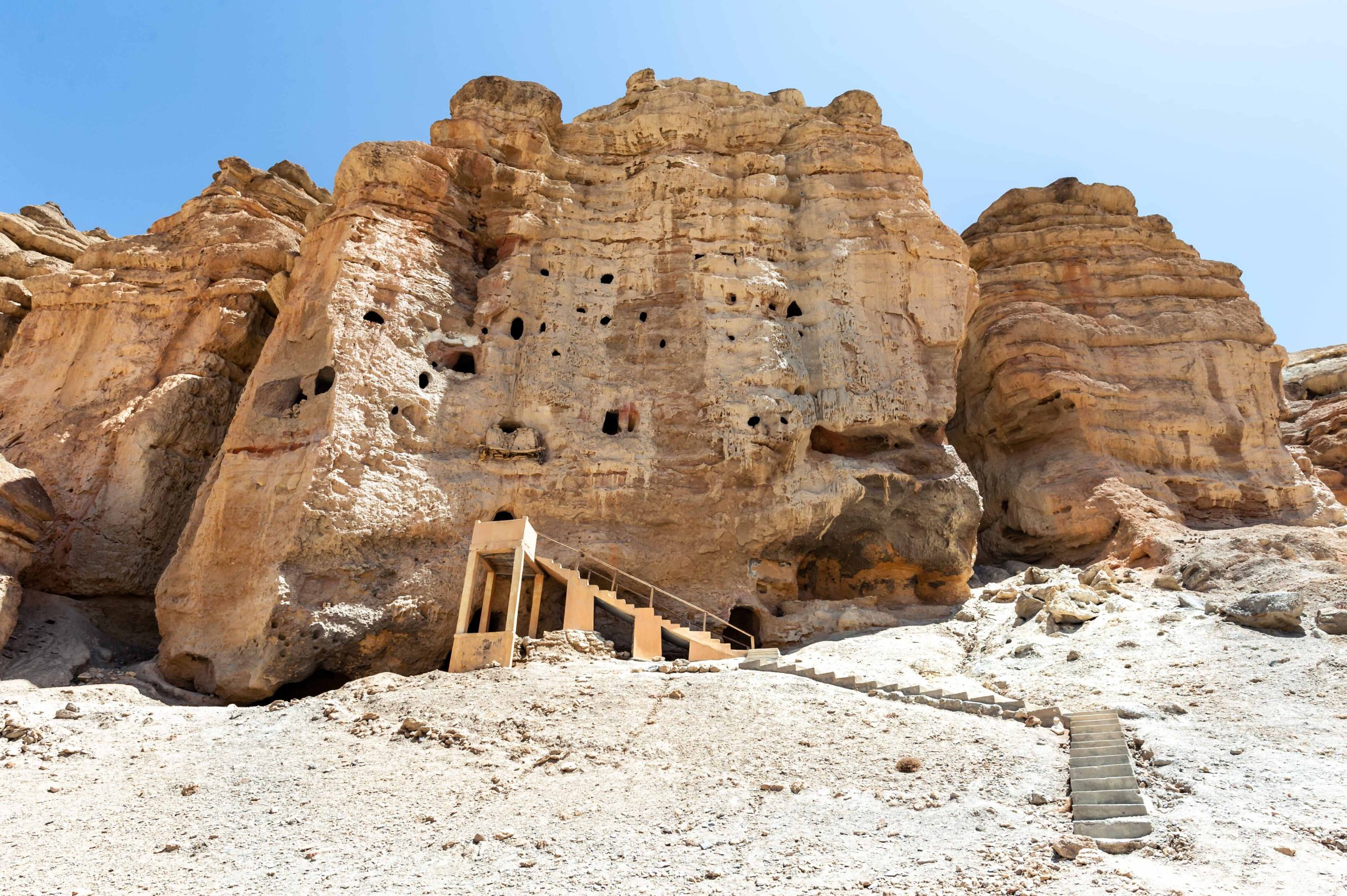
Unlike ordinary caves formed naturally through geological processes, the Jhong Cave complex is an example of human-made architecture carved into the rocky landscape. Its interconnected rooms, narrow passages, small openings and multiple levels provide a glimpse into how people once used the surrounding cliffs for shelter and everyday activities.
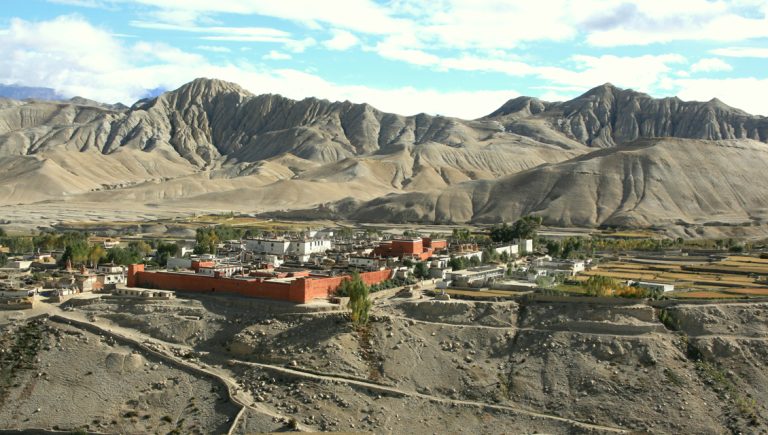
Located north of Lo Manthang, Jhong Cave is an important stop for travellers interested in the cultural heritage of the former Kingdom of Lo. The surrounding landscape, shaped by erosion, wind and centuries of human settlement, makes the journey particularly rewarding for photographers, cultural explorers and Upper Mustang trekkers.
For visitors exploring Mustang beyond its famous walled city, Jhong Cave offers a closer look at the architectural heritage that makes this remote Himalayan region so distinctive.
Where Is Jhong Cave Located?
Jhong Cave is located in the Chhoser area of Upper Mustang, in the northern part of Mustang District, Gandaki Province, Nepal. Chhoser lies north of Lo Manthang, the historic walled settlement that served as the cultural and political centre of the former Kingdom of Lo.
The cave is situated within the distinctive Trans-Himalayan landscape, characterised by dry valleys, exposed rock formations, high cliffs and settlements influenced by Tibetan culture.
The surrounding area is very different from Nepal’s greener hill regions. Limited rainfall, strong winds and a high-altitude environment have shaped both the natural landscape and traditional settlement patterns.
Location at a glance:
| Detail | Information |
|---|---|
| Destination | Jhong Cave |
| Alternative name | Shija Jhong Cave |
| Region | Chhoser, Upper Mustang |
| District | Mustang |
| Province | Gandaki Province |
| Nearest major settlement | Lo Manthang |
| Country | Nepal |
| Landscape | Trans-Himalayan high-altitude terrain |
Jhong Cave is particularly interesting because it forms part of a much wider cultural landscape containing ancient settlements, monasteries, traditional villages and numerous rock-cut cave structures.
History of Jhong Cave: Understanding Mustang’s Ancient Cave Architecture
The history of Jhong Cave is connected to the broader story of human settlement in Mustang.
For centuries, the cliffs and valleys of Mustang provided places for people to establish settlements, create storage spaces and practise religious traditions. The region’s cave architecture reflects the ability of communities to adapt to a challenging mountain environment.
Researchers studying Mustang’s archaeological heritage have documented cave systems containing residential spaces, burial chambers, religious areas and other evidence of earlier human activity.
However, it is important to distinguish between the broader archaeological history of Mustang and the specific history of Jhong Cave. The exact construction date and complete history of this particular cave have not been established through a published archaeological study.
Local accounts associate the cave with protection and community life. Recent reporting describes rooms used for cooking, sleeping, worship, guarding and storing essential possessions.
This combination of practical and cultural functions makes Jhong Cave an interesting place to understand how people adapted their architecture to the geography of Upper Mustang.
Why Were Caves Built in Mustang?
The cave structures of Mustang demonstrate a distinctive relationship between architecture and the surrounding environment.
Several possible functions help explain the development of these structures:
-
Residential use: Some cave complexes contained rooms suitable for living and everyday household activities.
-
Storage: Protected spaces within cliffs could be used to store food, tools and other essential possessions.
-
Security: Elevated entrances and difficult approaches may have offered protection in periods of uncertainty.
-
Religious activities: Other caves in Mustang contain Buddhist paintings, inscriptions and spaces associated with meditation and worship.
-
Burial practices: Archaeological investigations at other Mustang cave sites have documented ancient burial remains.
These functions should not be assumed to apply equally to every cave. Mustang’s cave systems developed over different periods and served different purposes.
Architecture of Jhong Cave: A Multi-Storey Structure
One of the most interesting features of Jhong Cave is its multi-level architectural arrangement.
Unlike a single underground chamber, the cave is organised across several floors, with interconnected rooms and narrow passages carved into the rocky cliff.
Recent local reporting describes a five-storey structure with rooms arranged around internal passageways. Small openings provide views towards the surrounding settlement and landscape.
Five Levels of Cave Architecture
The different floors provide an insight into how the interior space was organised.
Ground and lower levels
The lower sections form part of the cave’s internal circulation system. Rooms and passages connect different parts of the structure.
Middle levels
Some rooms retain traces of earlier domestic activities. Reported objects include traditional utensils, earthen vessels and other household items.
Upper levels
The upper sections offer a closer look at the structure’s vertical arrangement and the way rooms were carved into the cliff.
Visitors should be aware that not every floor is necessarily safe to access. Local reporting indicates that visitors can climb to the third floor, while reaching the fourth and fifth floors involves additional risk.
The cave should therefore be explored according to local access instructions rather than attempting to reach every chamber.
What Makes Jhong Cave Different from Other Mustang Caves?
Mustang is famous for its extraordinary collection of rock-cut cave structures, often referred to as the Sky Caves of Mustang.
These caves appear as openings across steep cliffs, sometimes arranged in multiple tiers. Some are relatively simple chambers, while others contain interconnected rooms and more complicated architectural arrangements.
Jhong Cave stands out as a visitor attraction because its multi-storey interior offers an opportunity to understand the practical organisation of a cave structure.
However, it represents only one part of Mustang’s wider archaeological heritage.
Other cave sites in the region have produced evidence of residential occupation, Buddhist religious activity, burial practices, paintings and inscriptions. Recent research has also examined previously undescribed Buddhist grottoes and inscriptions in the Chhoser area.
For travellers, visiting Jhong Cave alongside other cultural sites around Chhoser provides a broader understanding of the region.
Cultural Significance of Jhong Cave and the Chhoser Region
The importance of Jhong Cave extends beyond its physical structure. It forms part of a landscape where architecture, religion, settlement and local traditions are closely connected.
Upper Mustang has maintained a distinctive Tibetan-influenced cultural identity through its monasteries, traditional houses, festivals, agricultural practices and community life.
The neighbouring settlement of Chhoser offers visitors an opportunity to understand this cultural environment.
Connection with Buddhist Heritage
Buddhist traditions are an important part of life in Upper Mustang. Monasteries, prayer walls, chortens and sacred spaces can be found throughout the region.
Some cave complexes in the wider Chhoser area contain Buddhist artistic and religious features, including paintings and inscriptions. These provide valuable evidence of the region’s historical religious traditions.
Chhoser and Traditional Himalayan Settlements
Chhoser is more than a destination for cave exploration. Its traditional settlements and surrounding landscape reflect centuries of adaptation to high-altitude living.
Visitors can observe traditional building materials, agricultural terraces, Buddhist cultural features and the distinctive architecture of the region.
The Legacy of the Kingdom of Lo
Jhong Cave can also be included in a broader cultural journey through the former Kingdom of Lo.
Nearby Lo Manthang is particularly significant for its historic walled settlement, traditional architecture, monasteries and royal heritage.
Read our destination guide: Lo Manthang Nepal: Travel Guide
How to Reach Jhong Cave from Lo Manthang
The most practical way to visit Jhong Cave is by travelling from Lo Manthang towards Chhoser.
Lo Manthang is the main base for exploring northern Upper Mustang. From here, visitors can arrange local transportation and explore nearby cultural attractions.
A typical journey involves:
-
Starting from Lo Manthang after breakfast.
-
Travelling north towards the Chhoser settlement.
-
Exploring the surrounding village and cultural landscape.
-
Visiting Jhong Cave according to local access arrangements.
-
Returning to Lo Manthang after the exploration.
The journey can be included as part of a dedicated cultural exploration day in an Upper Mustang itinerary.
Travellers who prefer to explore more remote destinations can also consider combining Chhoser with other nearby caves, monasteries and traditional settlements.
Best Time to Visit Jhong Cave
The best time to visit Jhong Cave generally follows the favourable travel seasons of Upper Mustang.
Because the region lies in the rain shadow of the Annapurna and Dhaulagiri ranges, it receives considerably less rainfall than many other parts of Nepal.
| Season | Months | What to Expect |
|---|---|---|
| Spring | March–May | Pleasant daytime conditions and opportunities for cultural exploration |
| Summer/Monsoon | June–August | Relatively dry conditions compared with much of Nepal |
| Autumn | September–November | Clear skies and favourable mountain visibility |
| Winter | December–February | Very cold conditions and possible snow |
Spring and autumn are particularly suitable for most visitors. May is also an interesting period for travellers who want to experience the cultural atmosphere of the Tiji Festival in Lo Manthang.
Summer is another possibility because of Upper Mustang’s rain-shadow location, although road and travel conditions should always be checked.
For more seasonal information, read our guide to the best time to visit Upper Mustang
What to Expect When Visiting Jhong Cave
Visiting Jhong Cave is different from visiting a conventional museum or a naturally formed tourist cave.
The experience involves exploring an architectural structure built into a rocky landscape, learning about its historical functions and observing the relationship between the cave and the surrounding community.
Here are some things visitors can expect:
-
Distinctive architecture: Multiple floors, narrow passages and interconnected rooms.
-
Historical atmosphere: Remnants of traditional domestic activities and objects reported inside the cave.
-
Mountain scenery: Views of the dry valleys and rocky surroundings of Chhoser.
-
Cultural exploration: Opportunities to learn about the traditions and settlement patterns of Upper Mustang.
-
Photography: Interesting architectural details, cliff formations and landscapes.
Access to particular rooms and floors may be restricted. Visitors should follow instructions from local caretakers and avoid touching or removing historical objects.
Travel Tips for Visiting Jhong Cave
A little preparation can make the experience more comfortable and enjoyable.
1. Acclimatise Before Exploring
Upper Mustang is a high-altitude destination. Visitors should allow sufficient time to acclimatise before travelling to Chhoser.
Lo Manthang sits at approximately 3,840 metres above sea level. Travellers should maintain a comfortable pace and recognise symptoms of altitude sickness.
2. Wear Comfortable Shoes
Some areas around the cave may have uneven surfaces, narrow passages and rocky approaches. Proper footwear with good grip is recommended.
3. Respect Local Heritage
Jhong Cave is part of a valuable cultural landscape. Avoid damaging walls, removing objects or disturbing any archaeological features.
4. Follow Local Access Instructions
Not every section of a multi-storey cave should automatically be considered accessible. Follow the guidance of local caretakers, particularly when exploring elevated floors.
5. Carry Essential Items
Bring drinking water, sun protection, warm clothing and a camera. The weather in Upper Mustang can change quickly, and strong winds are common.
6. Plan the Visit with Your Upper Mustang Itinerary
Instead of treating Jhong Cave as an isolated attraction, include it in a broader exploration of Chhoser, Lo Manthang and the surrounding cultural destinations.
Can You Visit Jhong Cave During the Upper Mustang Trek?
Yes. Jhong Cave can be incorporated into an Upper Mustang trekking itinerary as part of a cultural exploration around Chhoser.
Many travellers visit Lo Manthang not only for its historic architecture but also for the surrounding villages, monasteries and ancient cave structures.
A dedicated exploration day from Lo Manthang allows visitors to discover Chhoser and nearby heritage attractions without rushing through the experience.
Mustang Trekking offers an Upper Mustang journey that can be planned around cultural interests, trekking preferences and available travel time.
Explore our Upper Mustang Trek package to learn more about travelling through this remarkable Himalayan region.
Responsible Tourism and the Preservation of Jhong Cave
Ancient cave architecture is an important part of Mustang’s cultural identity. However, these structures are also vulnerable to natural erosion, changing environmental conditions and inappropriate human activity.
Responsible tourism can contribute to greater awareness of their historical and cultural value.
Visitors can help protect Jhong Cave by:
-
Following designated visitor routes.
-
Avoiding damage to cave walls and architectural features.
-
Not removing pottery, utensils, inscriptions or other historical objects.
-
Respecting local customs and religious practices.
-
Asking permission before photographing local residents.
-
Supporting local businesses and community-led tourism initiatives.
The preservation of Mustang’s heritage requires cooperation between local communities, visitors, researchers and responsible tourism operators.
For Mustang Trekking, cultural exploration should go hand in hand with respect for the people, traditions and heritage of the destination.
Explore Jhong Cave with Mustang Trekking
Jhong Cave is one of the many reasons Upper Mustang deserves more than a quick visit. Its distinctive architecture, cultural surroundings and connection to the region’s ancient settlement history make it a fascinating destination for anyone interested in Himalayan heritage.
From the historic streets of Lo Manthang to the traditional settlements of Chhoser, Upper Mustang offers an experience that combines adventure, history, culture and remarkable landscapes.
At Mustang Trekking, we focus on helping travellers explore the region through meaningful journeys that go beyond the usual sightseeing stops.
Whether you are interested in ancient caves, Buddhist heritage, traditional villages or the landscapes of the Trans-Himalaya, an Upper Mustang journey offers opportunities to discover a different side of Nepal.
Explore the Upper Mustang Trek with Mustang Trekking and include the remarkable heritage of Chhoser in your Himalayan travel experience.